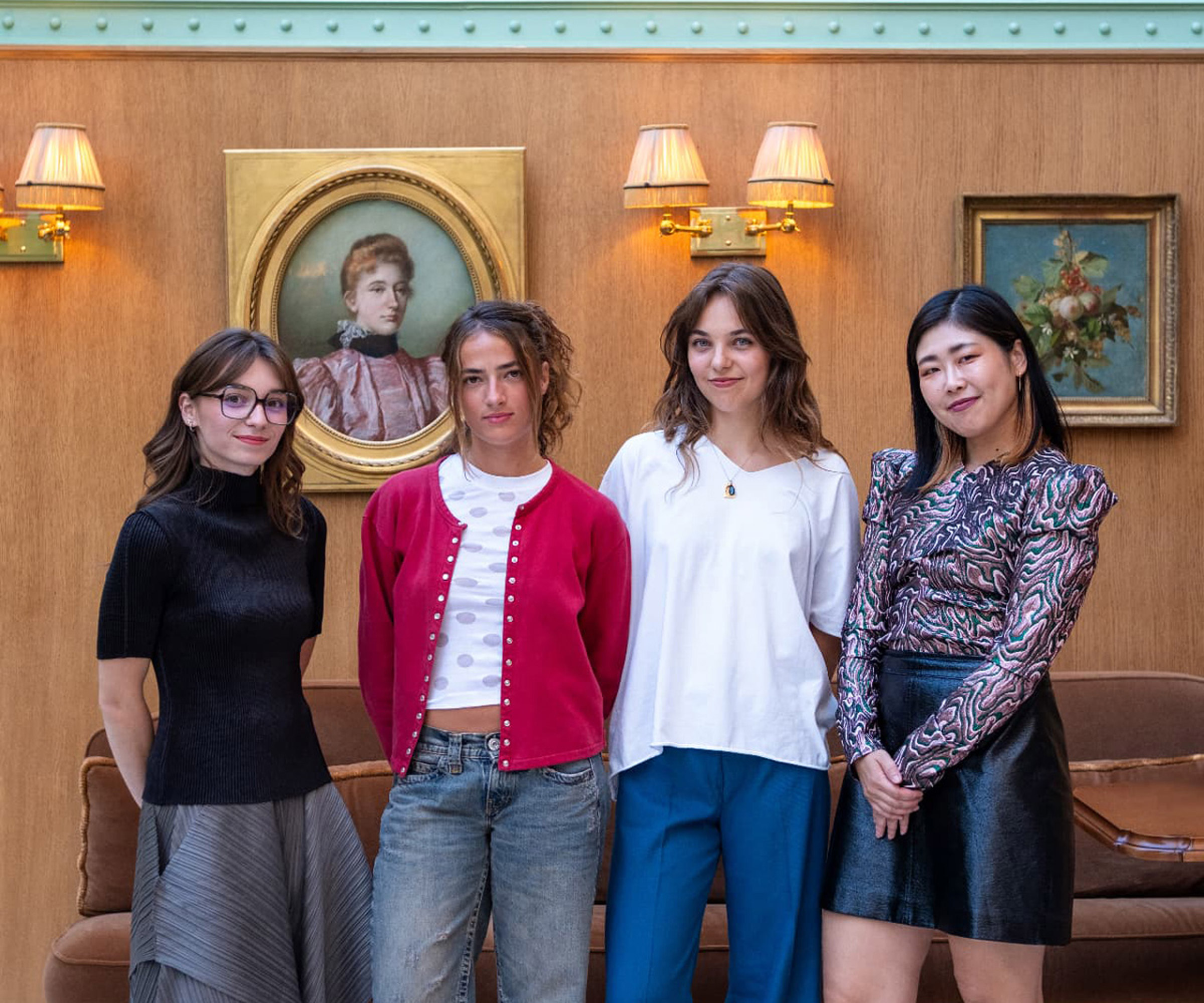
MEREA and Galerie PARIS-B are pleased to present the group exhibition for the first edition of the MEREA Prize. It brings together works by the three laureates, Lisa Cochonneau, Eri Maeda, and Charlotte Menut-Yovanovitch, as well as those by Emma Garcia, recipient of the Jury’s Special Mention.
Stained glass, pleating, ceramics, painting, and photography engage in a dialogue around a single question: How can we reveal what is not immediately apparent?
This exhibition is the culmination of the first edition of the MEREA Prize, established in 2026 to support emerging female artists and craftswomen in their artistic and professional development.
While women make up about 75% of art school students, they remain significantly underrepresented in galleries and national collections. The Prize therefore seeks to address this imbalance with a comprehensive program: mentoring, workshops on the realities of the artist’s profession, professional networking events, and opportunities for visibility.
Ten artists were selected from more than 650 applications and supported over a four-month period. The three winners chosen by the jury then traveled to La Maison Odette, in the heart of the Cévennes, to carry out their projects centered on the theme of Filigrane.
A Filigrane is, by definition, a subtle mark embedded in the paper itself, revealed only by light: an almost invisible yet persistent imprint. It speaks to what does not impose itself but persists, the traces, memories, and stories that are not always visible. To look beyond the surface is to read what escapes the first glance and to examine the traces left on the margins of dominant narratives. Through this exhibition, each artist offers an interpretation, through texture, color, or image.
Transparency, norm, absence, and doubt: these practices do not seek to make things visible at any cost, but rather to reveal them in a different way. Each work invites the viewer to read the traces and to recognize what has long persisted without being seen.
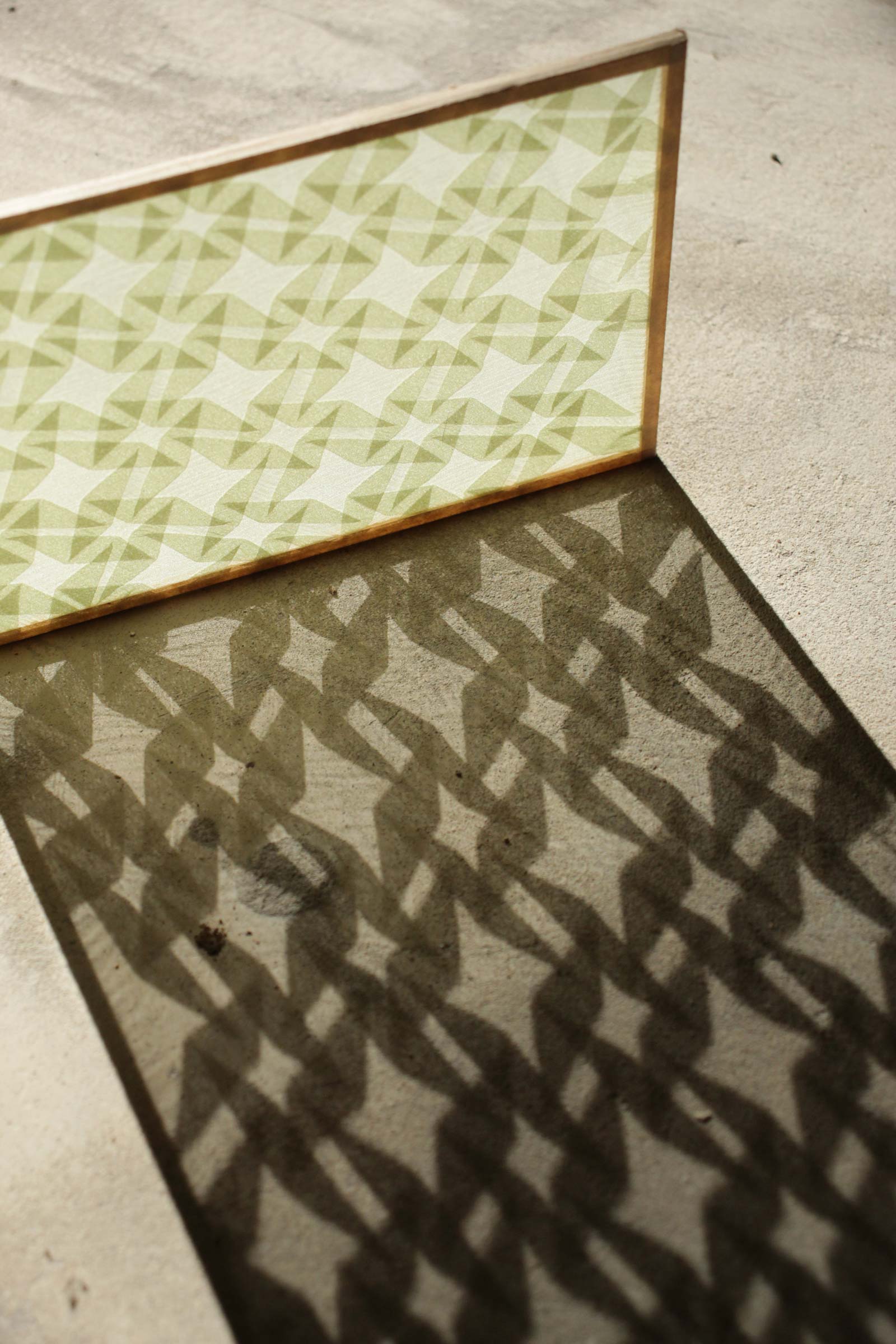
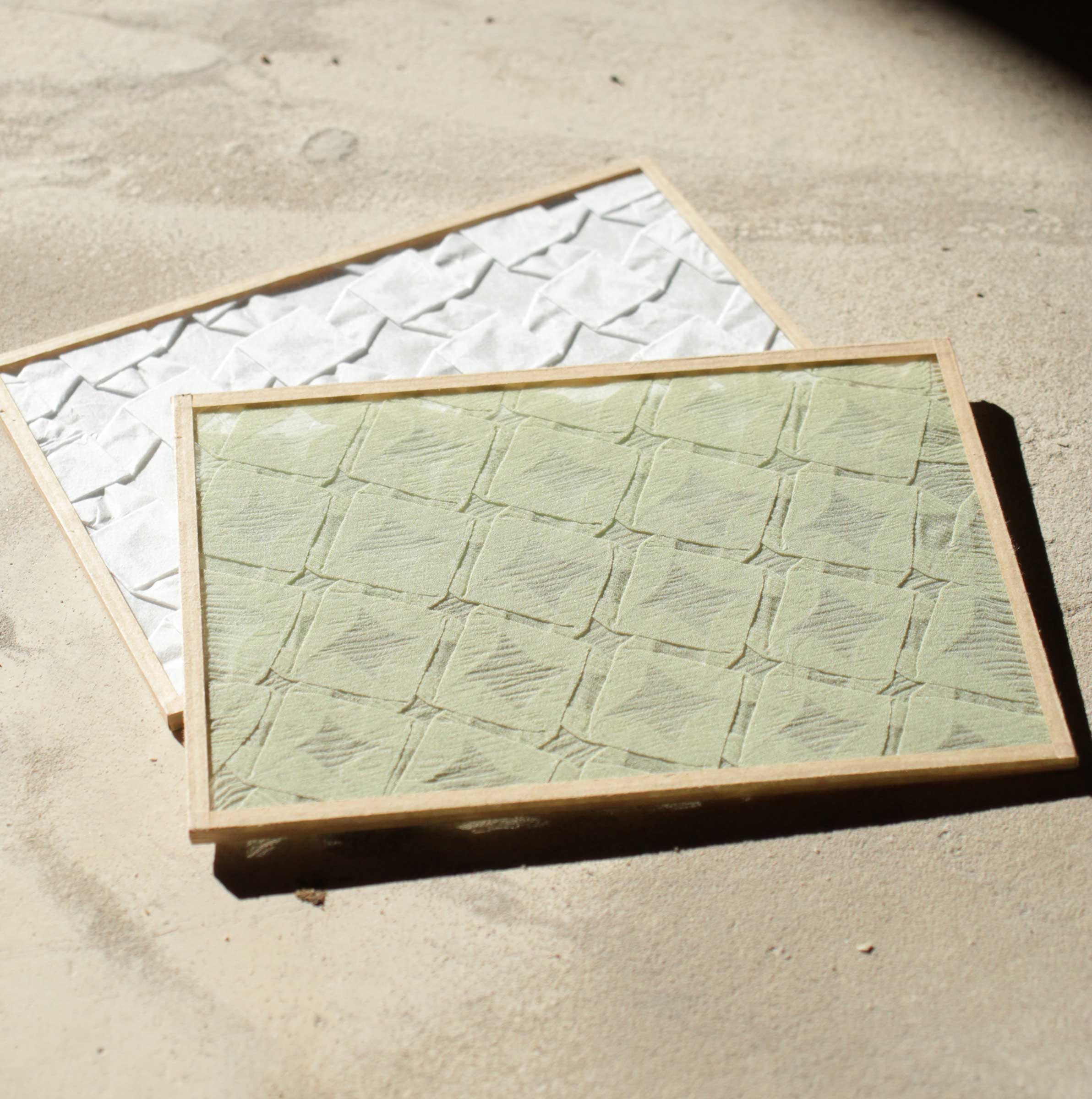
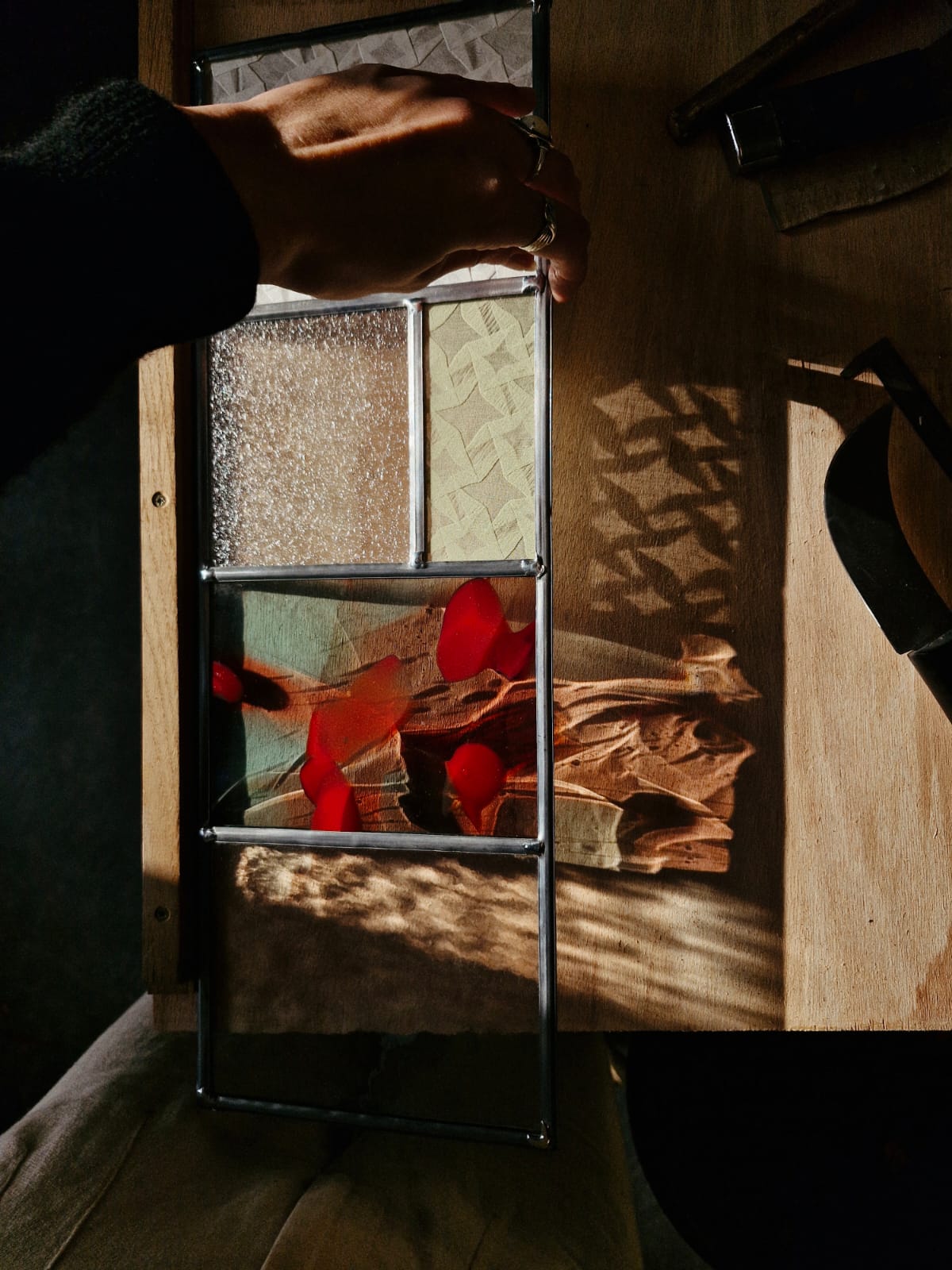
Trained in stained glass, Lisa Cochonneau combines this art form with textile pleating, at the intersection of fine crafts and design. She explores pleating, structure, and light, transforming flat surfaces into complex three-dimensional forms. Her work questions perception and offers an architectural interpretation of material.
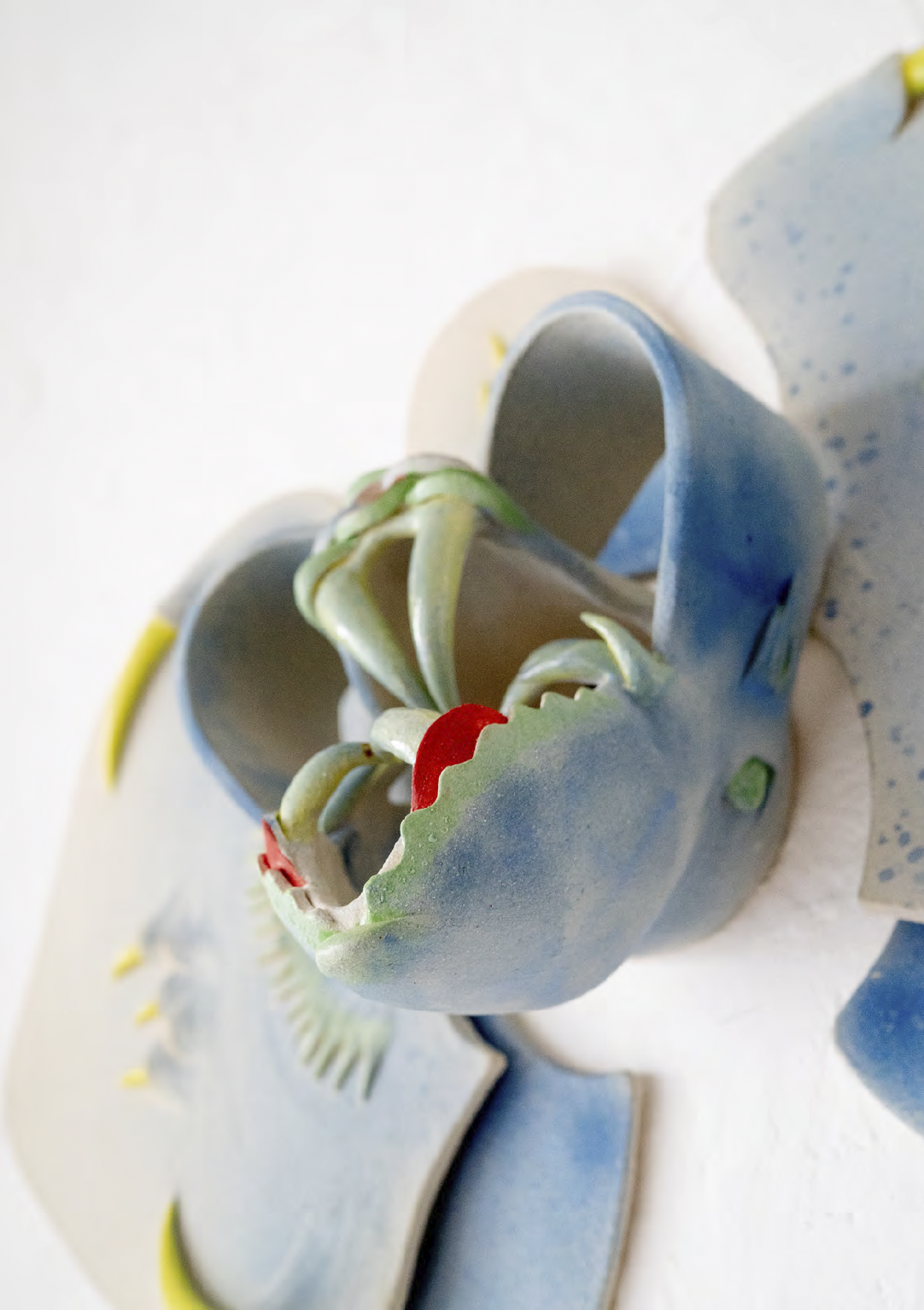
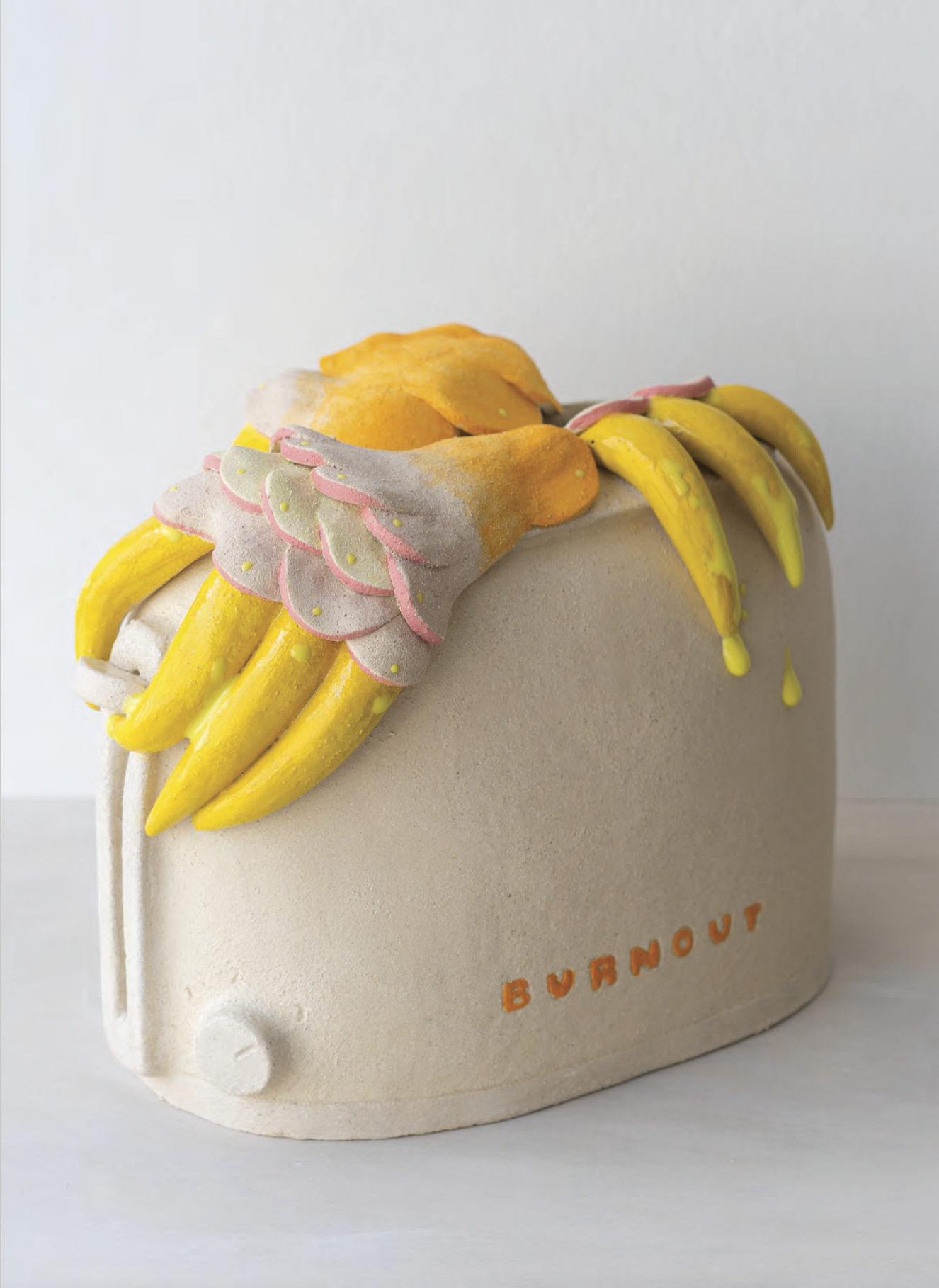
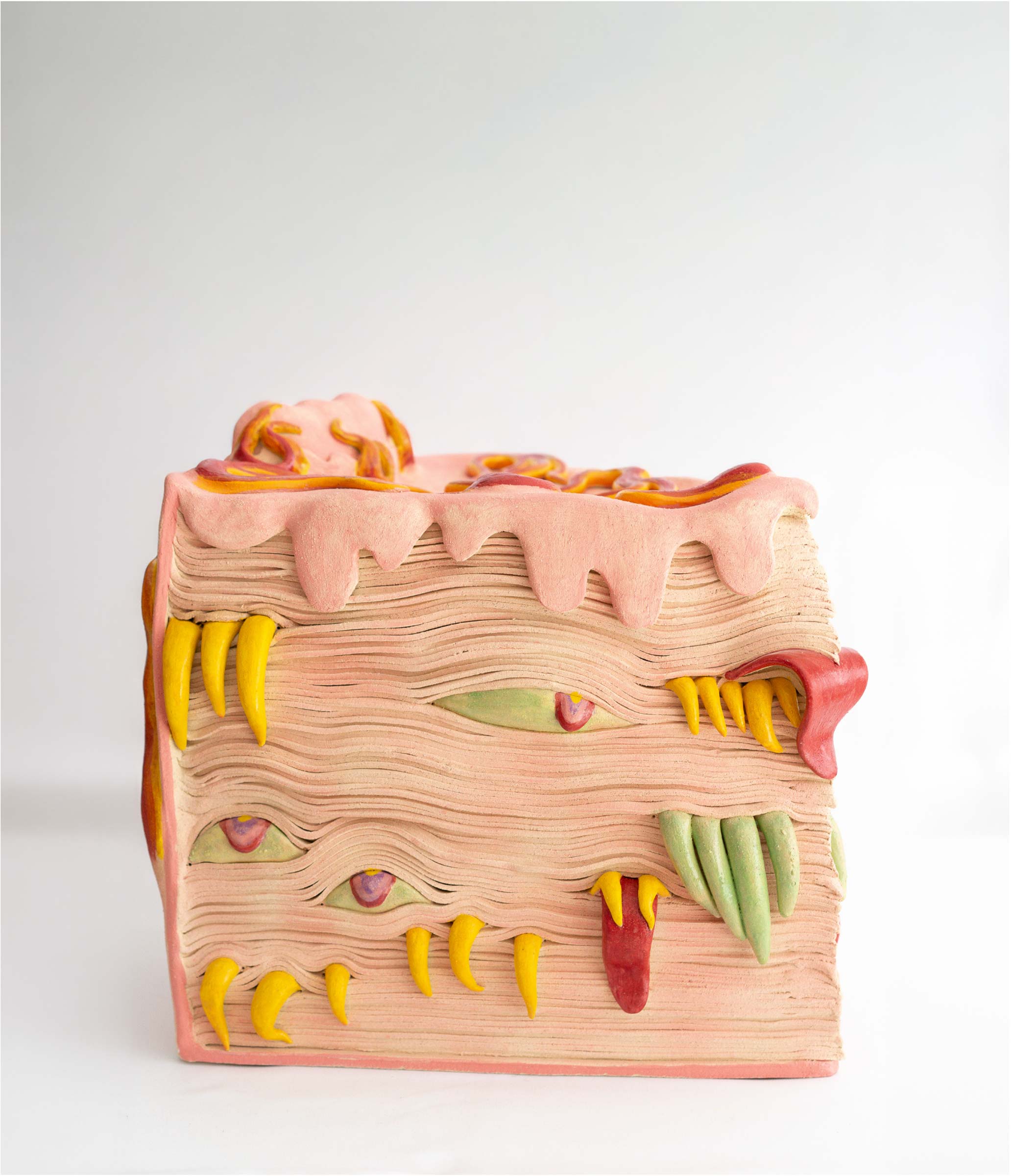
Eri Maeda, a Japanese ceramic artist based in Paris and a mother, transforms everyday objects into monstrous creatures. Through dark humor and satire, she challenges the unwritten rules that weigh heavily on women, particularly in Japan, as seen here in an installation combining silk stockings and stoneware forms.
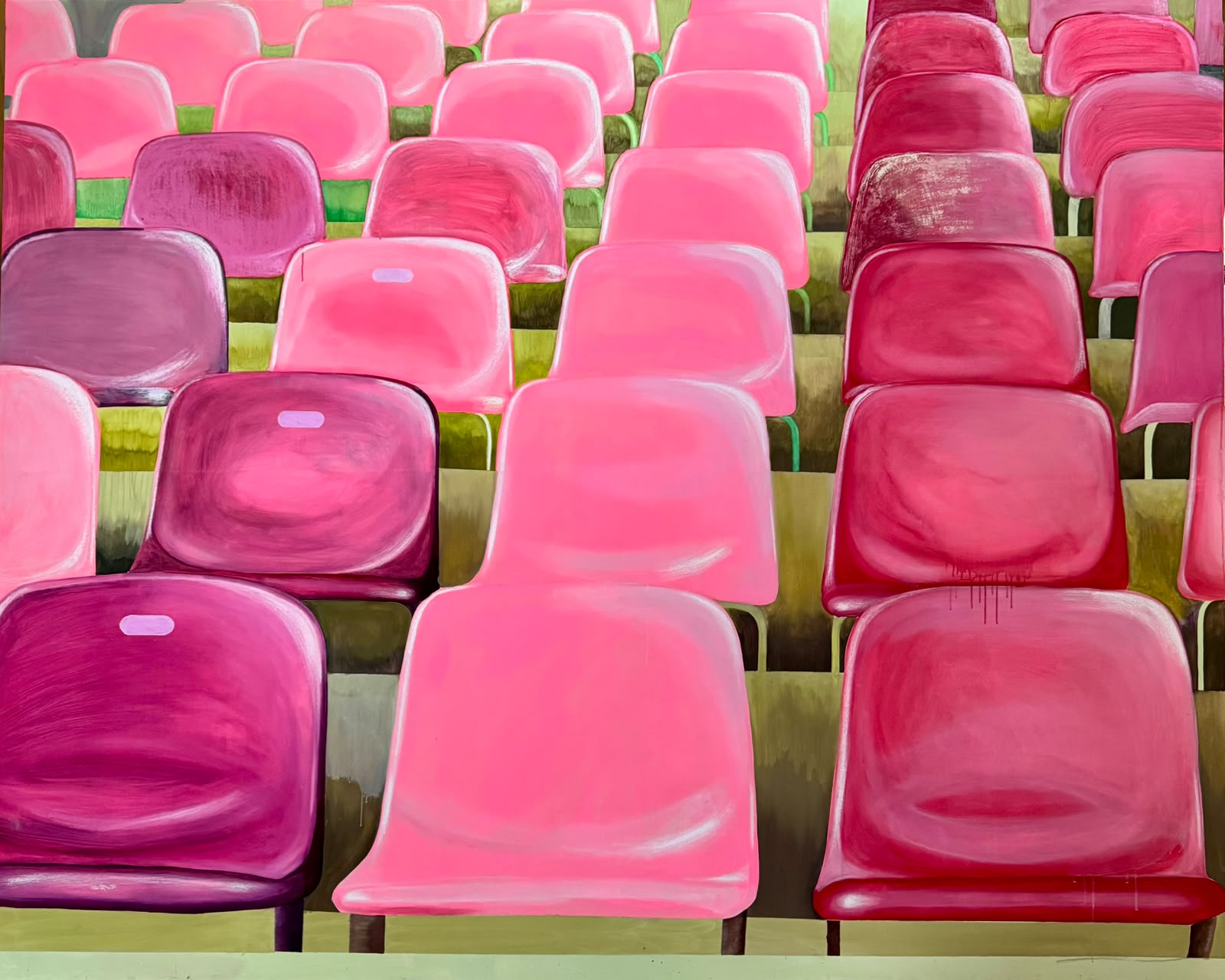
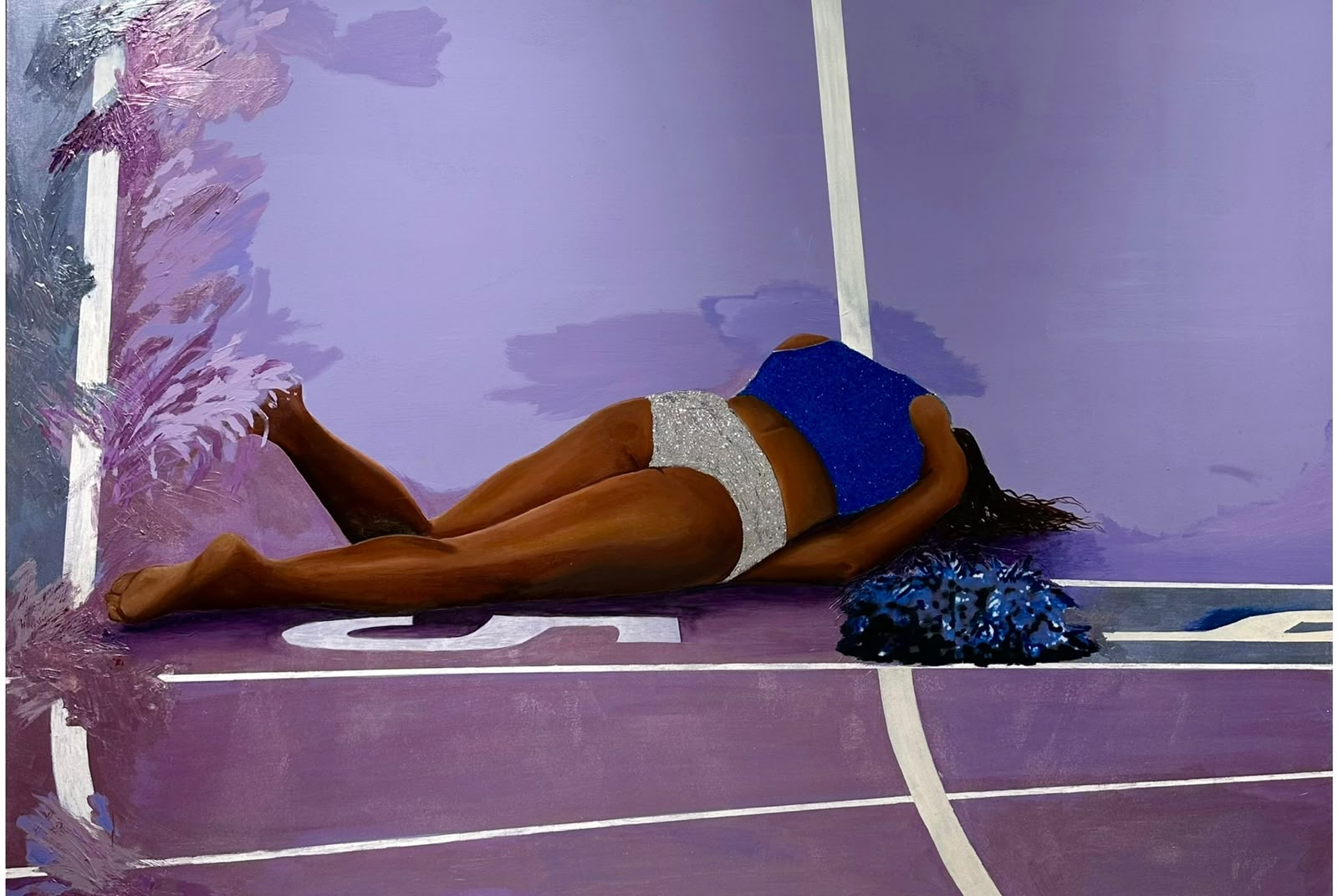
A recent graduate of the École des Beaux-Arts in Paris, Charlotte Menut-Yovanovitch’s paintings often stem from a sense of unease in the presence of a group, in the way bodies stand, look at one another, and constrain themselves. Through large-scale works that feature the female body, she builds up layers, allowing the paint to retain its imperfections and hesitations, until it becomes a dense skin where forms blur, collide, and yet still resist.
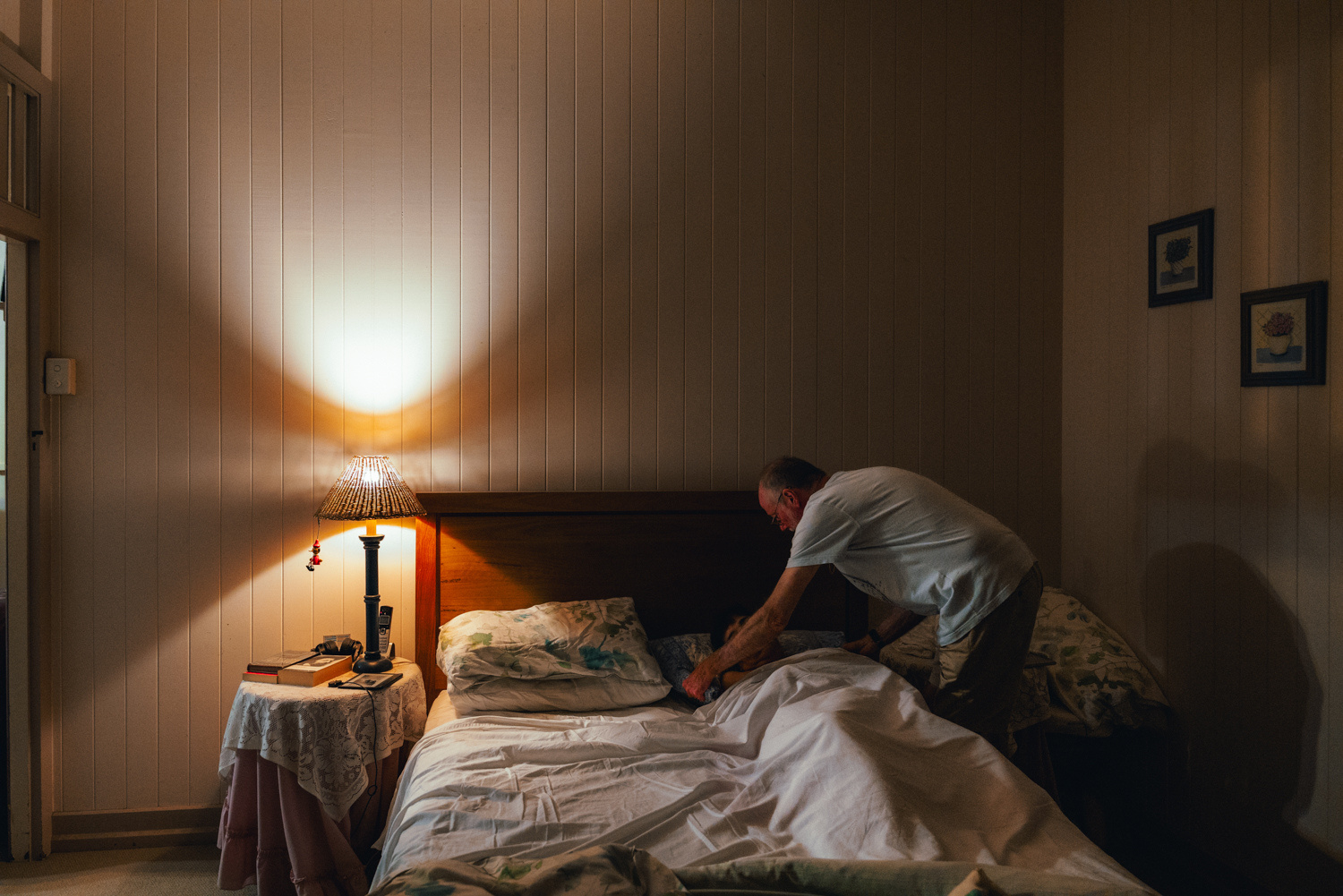
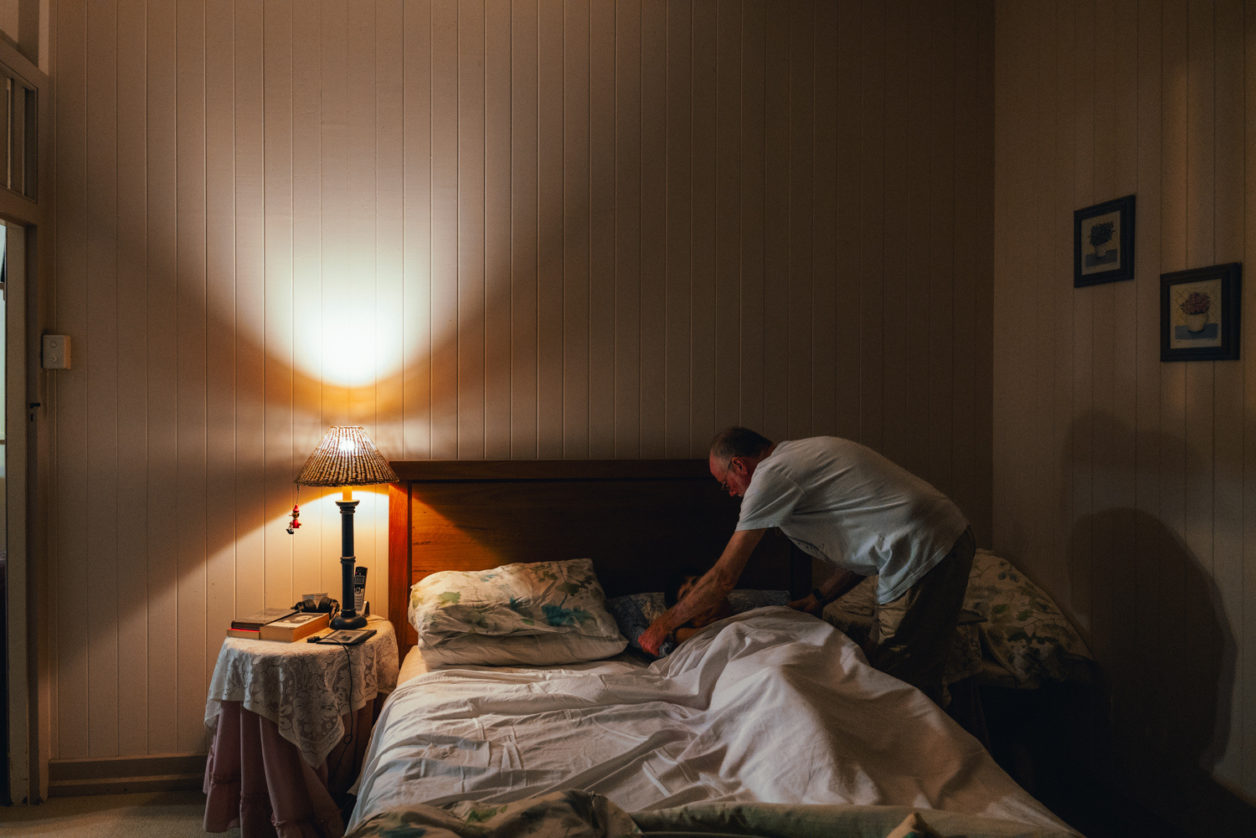
Emma Garcia, a self-taught photographer from Lozère and a trained physical therapist, received the Jury’s Special Prize. Her documentary and intimate work explores healthcare and mental health.